
Mohammed bin Salman launches Riyadh Air
13 March 2023
Saudi Arabia Crown Prince Mohammed bin Salman bin Abdulaziz al-Saud has launched Riyadh Air, a new airline wholly owned by the Saudi sovereign vehicle, the Public Investment Fund (PIF).
Riyadh Air is expected to serve more than 100 destinations around the world by 2030, making use of the kingdom’s location between Asia, Africa and Europe, the Saudi Press Agency said.
PIF governor Yasir al-Rumayyan will be chairman of Riyadh Air, while former UAE Etihad Airways’ chief executive Tony Douglas will be the CEO.
“The new national carrier will leverage Saudi Arabia’s strategic geographic location between the three continents of Asia, Africa and Europe, enabling Riyadh to become a gateway to the world and a global destination for transportation, trade and tourism,” PIF said on 12 March.
It added that the new airline is expected to add $20bn to non-oil GDP growth and create more than 200,000 direct and indirect jobs.
The airline will operate from Riyadh as its hub, while the kingdom’s first national carrier, Saudi Arabian Airlines (Saudia), will continue to be based in Jeddah.
The plan to launch a new airline and woo Douglas to become its CEO was first reported in September 2022.
Saudi Arabia is targeting a $100bn investment in the transportation and logistics sector by 2030.
The kingdom plans to transport more than 300 million passengers and five million tonnes of goods, and create links with 250 destinations, by the end of the decade, Minister of Transport and Logistics Services Saleh al-Jasser said at the Future Aviation Forum in Riyadh in May last year.
Al-Jasser said at the time that the transport ministry had converted more than 25 airports into holding companies ready for privatisation and approved “hundreds of applications” for aircraft.
He cited plans to launch new aviation companies and further develop airport facilities through headquarters in Riyadh and Jeddah.
Image: Public Investment Fund


Register for MEED's guest program now to access this article.
Exclusive from Meed
-
Kuwait appoints KPMG for ports strategic plan
4 November 2026
-
 Combined Group signs Kuwait upstream contract
4 November 2026
-
 Qiddiya seeks interest for water infrastructure packages
4 November 2026
-
 Aramco Q3 profit rises 9% despite attacks on facilities
3 November 2026
-
 UAE monitors desalination plants after oil spill
3 November 2026
All of this is only 1% of what MEED.com has to offer
Subscribe now and unlock all the 153,671 articles on MEED.com
- All the latest news, data, and market intelligence across MENA at your fingerprints
- First-hand updates and inside information on projects, clients and competitors that matter to you
- 20 years' archive of information, data, and news for you to access at your convenience
- Strategize to succeed and minimise risks with timely analysis of current and future market trends
Related Articles
-
Combined Group signs Kuwait upstream contract
4 November 2026
Register for MEED’s 14-day trial access
Kuwait-headquartered Combined Group Contracting Company has signed a contract to repair and revamp production facilities in West Kuwait, according to a company statement.
State-owned upstream operator Kuwait Oil Company (KOC) awarded the contract, valued at KD9.7m ($31.4m).
The contract has a five-year term.
KOC issued the invitation to bid on 5 October 2025. The initial bid deadline was 4 January 2026, and a pre-tender meeting was scheduled for 4 November 2025.
The contract award to Combined Group was approved on 13 September 2026.
Kuwait’s oil and gas sector is currently in the midst of a major crisis, as disruptions to shipping through the Strait of Hormuz have dramatically reduced exported crude oil volumes.
The disruptions are the result of a regional war that started on 28 February when the US and Israel attacked Iran.
The disruptions to shipping in the Strait of Hormuz are also creating significant challenges for oil and gas construction projects, which normally import equipment and materials through the waterway.
https://image.digitalinsightresearch.in/uploads/NewsArticle/21120792/main.png -
Qiddiya seeks interest for water infrastructure packages
4 November 2026
Register for MEED’s 14-day trial access
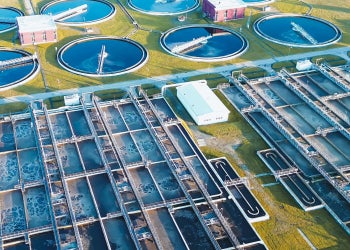
Qiddiya Investment Company (QIC) has issued an expression of interest for two water infrastructure packages at Qiddiya City, southwest of Riyadh.
According to a source, the first package covers a wastewater treatment plant with a capacity of 60,000 cubic metres a day (cm/d).
The second package involves a wastewater treatment plant with a capacity of 9,000 cm/d. It will also include a “sizeable” reverse osmosis (RO) facility, a source close to the project told MEED.
The deadline for submissions of interest is 8 November.
The infrastructure package will cater to Saudi Arabia’s 360-square-kilometre Qiddiya entertainment city.
QIC, which is owned by Saudi Arabia’s Public Investment Fund (PIF), is overseeing the development of Qiddiya City, including its supporting utilities infrastructure.
In October 2024, MEED reported exclusively that QIC planned to tender its utilities packages individually under an engineering, procurement and construction model.
QIC had previously planned to procure the infrastructure through a public-private partnership (PPP). However, it cancelled this approach despite receiving two bids for a multi-utility package in 2020.
The original utilities package covered power generation, water desalination, sewage treatment and water transmission networks.
In September 2023, QIC signed infrastructure contracts worth SR2.29bn ($611m) with a joint venture of Saudi Real Estate Infrastructure Company (Binyah) and InfraRoad Contracting.
The contracts covered a wider infrastructure package at Qiddiya’s Resort Core, including roads, utility networks, water storage facilities and pumping stations, as well as the construction of a sewage treatment plant (STP).
Two other major PIF-backed developments, the Red Sea project and Amaala, have each awarded multi-utility packages using a PPP model, while contractors are preparing to bid for two separate wastewater treatment plants for Oxagon, Neom’s industrial cluster.
In September, the utilities system serving Saudi Arabia’s Red Sea tourism destination reached commercial operation, marking the start of a 25-year concession for one of the world’s largest integrated off-grid utilities projects.
The project, known as the Marafiq Red Sea Project or Red Sea Utilities Multi-Utilities Project, includes three seawater RO plants, an STP, a waste management centre and 32,500 refrigeration tonnes of district cooling capacity.
https://image.digitalinsightresearch.in/uploads/NewsArticle/21111446/main.jpg -
Aramco Q3 profit rises 9% despite attacks on facilities
3 November 2026
Register for MEED’s 14-day trial access
Saudi Aramco reported a 9% year-on-year increase in adjusted net income to $31.2bn in the third quarter of 2026, supported by stronger financial performance across its businesses, particularly downstream operations, and despite persistent attacks by the Yemen-based Houthi rebels on its facilities across the kingdom.
The company’s revenue and other income from sales reached $140.492bn in Q3 2026, up from $111.509bn in the same period last year.
Downstream adjusted earnings before interest and taxes (ebit) increased by 234% year-on-year, reflecting stronger refining margins.
Cash flow from operating activities increased to $38.7bn in Q3, compared to $36.1bn a year earlier, while free cash flow rose to $28.2bn from $23.6bn over the same period.
The company maintained a gearing ratio of 5.5% at the end of the first nine months of the year, compared to 6.2% at the end of the first half of the year.
Return on average capital employed in Q3 remained the same as in the previous quarter at 22.1%.
Aramco’s capital expenditure in Q3 2026 declined to $10.52bn from $12.55bn in the same period last year, while capex in the first nine months of the year stood at $35.78bn.
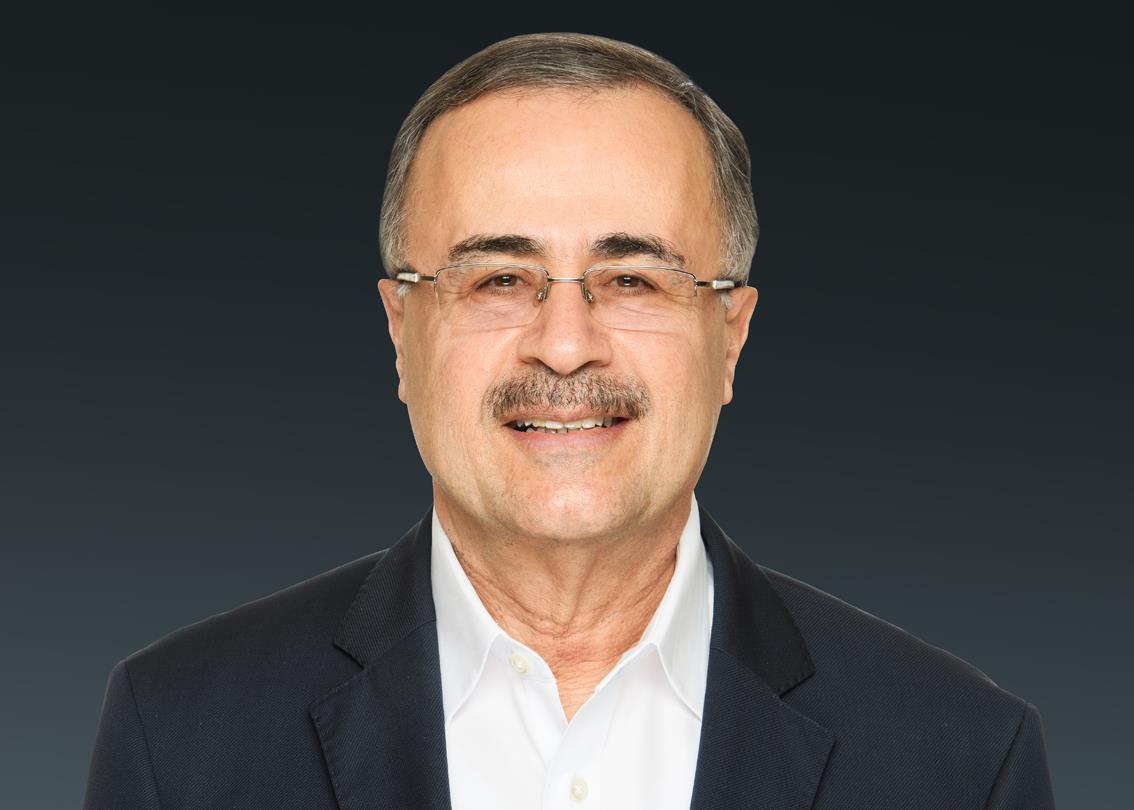
Commenting on the Q3 financial results, Aramco’s president and CEO, Amin H Nasser, said: “Geopolitical uncertainty and attacks on key energy facilities continued to amplify the global energy supply crisis in the third quarter of 2026, with serious implications for global energy security.
“Despite challenges, the unwavering dedication of our workforce, our operational excellence, the flexibility of our system and the strength of a supply network built over decades enabled us to continue delivering reliably to our customers through this extraordinary period.
“We continue to explore additional overseas storage capacity and alternative export routes to further strengthen our global supply network, and our robust operational and financial performance during this volatile period demonstrates the value of our resilience.
“Backed by our strong balance sheet, we remain focused on the disciplined execution of priority projects and on leveraging advanced technologies to enhance performance and unlock new opportunities. This is how we will continue to meet the world’s evolving energy needs and deliver value for our shareholders and customers.”
ALSO READ: Sabic swings back to profit in Q3 with $224m net income
https://image.digitalinsightresearch.in/uploads/NewsArticle/21121169/main.jpg -
UAE monitors desalination plants after oil spill
3 November 2026
State utility Etihad Water & Electricity (EtihadWE) says it is monitoring seawater quality at desalination plant intake points following an oil spill off the UAE's northern coast.
In a statement, the utility said it is continuing to "implement proactive measures to safeguard the water production system" following the spread of an oil slick towards coastal areas in the emirates of Umm Al-Quwain, Ras Al-Khaimah, Ajman and Sharjah.
The spill involved the tanker Gem No. 2, which was struck by a projectile in UAE territorial waters on 9 October. The resulting oil pollution has raised concerns over potential contamination of seawater used by desalination plants along the northern coast.
EtihadWE said its measures include continuous monitoring of seawater quality at plant intake points, regular testing of produced and distributed water, and verification of compliance with approved standards before water enters the distribution network.
The utility added that the precautionary measures will not affect the continuity of water supplies to consumers in the Northern Emirates.
In an earlier update on 30 October, the Climate Change & Environment Ministry said the oil slick was concentrated off the coast of Umm Al-Quwain, extending partially towards coastal areas in Ras Al-Khaimah, Ajman and Sharjah.
The ministry said the concentration of pollution had declined significantly and that the leak had been stopped at source. However, surveying, monitoring and clean-up operations are continuing in affected coastal areas.
The Energy & Infrastructure Ministry said specialised technical teams are continuing work to address technical issues with the tanker, including repairing damaged sections, restoring operational systems and assessing the integrity of its structure.
The proximity of the oil slick to the Naqa'a desalination plant in Umm Al-Quwain has drawn particular attention. According to media reports, the slick approached to within approximately 2 kilometres of the facility.
Naqa'a has a production capacity of 150 million imperial gallons a day, equivalent to approximately 682,000 cubic metres a day. The plant supplies water to the Northern Emirates and has been operational since 2022.
It is owned by Naqa'a Desalination Plant, a special-purpose vehicle established by Mubadala, Acwa and the former Federal Electricity & Water Authority, now known as EtihadWE.
https://image.digitalinsightresearch.in/uploads/NewsArticle/21104534/main3427.jpg -
 Oman signs 1GW battery storage agreement
3 November 2026
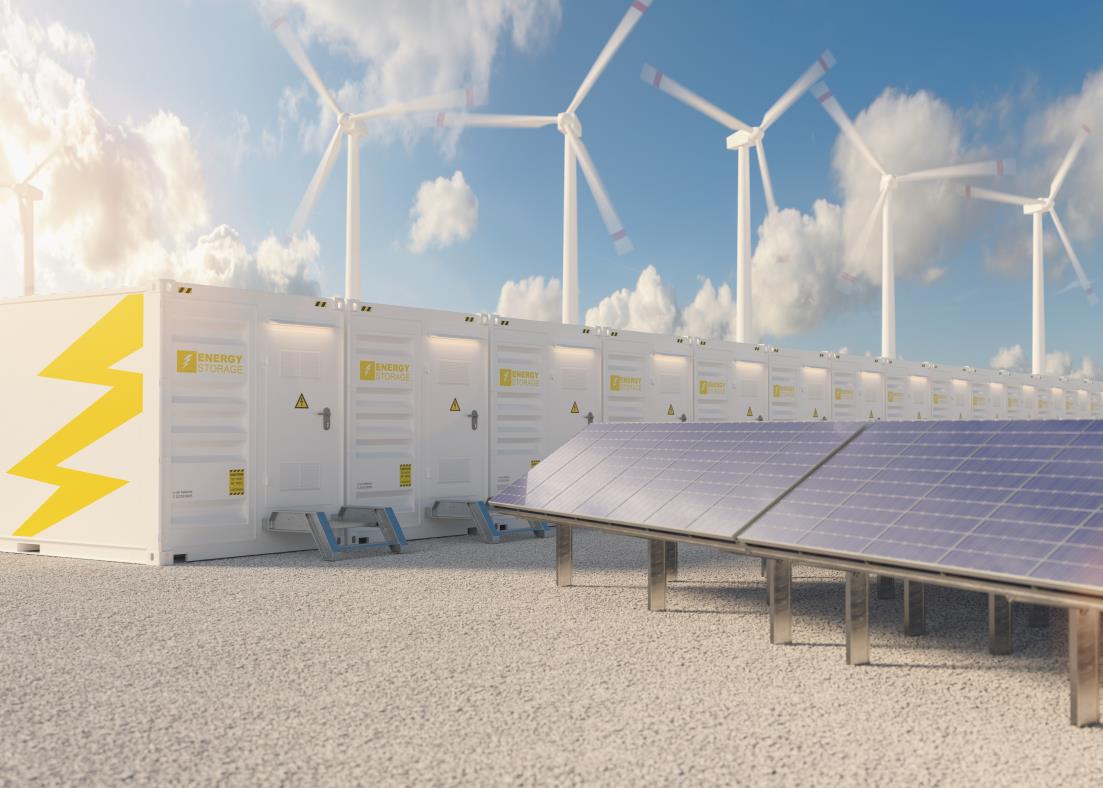
Oman's Nama Holding, a subsidiary of Oman Investment Authority (OIA), has signed a framework agreement with China's State Grid International Development to develop battery energy storage systems (bess) with a targeted capacity of 1GW.
The agreement covers two battery storage systems, each with a capacity of 500MW, at Duqm Industrial Station and Al-Subaikhi (Ibri Solar 3) Station.
It is understood that both systems will operate at 400kV and connect to Oman's national electricity transmission grid.
The deal is part of a package of economic and investment agreements signed by OIA with Chinese institutions and companies during the Oman-China conference on 2 November. OIA put the combined value of the bess projects at approximately RO384.5m ($1bn).
The agreement comes as Oman advances plans to expand its renewable energy capacity and strengthen the electricity transmission network.
Nama Power & Water Procurement Company is also procuring a separate 950MW standalone bess programme comprising five facilities in the sultanate, as MEED exclusively reported.
The wider package of agreements, signed during Sultan Haitham Bin Tariq's state visit to China, covers sectors including renewable energy, mining, logistics, digital transformation and space technology.
In the wind energy sector, Oman's O-Green and Shanghai Electric Wind Power signed a strategic partnership to establish a joint research and development centre and wind turbine testing facility at the Mawarid turbine factory in Duqm.
The partnership will focus on adapting turbine technologies to Gulf climate conditions, supporting local manufacturing and developing green ammonia projects in Oman.
The partnership is valued at RO3.85m-RO7.69m ($10m-$20m). It also identifies potential future contracts exceeding $1bn, alongside green ammonia projects and initial investment commitments in Oman exceeding $200m.
In solar, OIA signed a preliminary term sheet with Chinese firms PCG Power and Hoymiles for a partnership valued at RO38.45m ($100m).
The partnership aims to develop solar energy projects in Oman and establish a solar inverter manufacturing facility serving markets in the Middle East and North Africa.
It is also intended to support the localisation of solar-related industries, expand domestic production and develop export markets.
https://image.digitalinsightresearch.in/uploads/NewsArticle/21102638/main.jpg